


Description
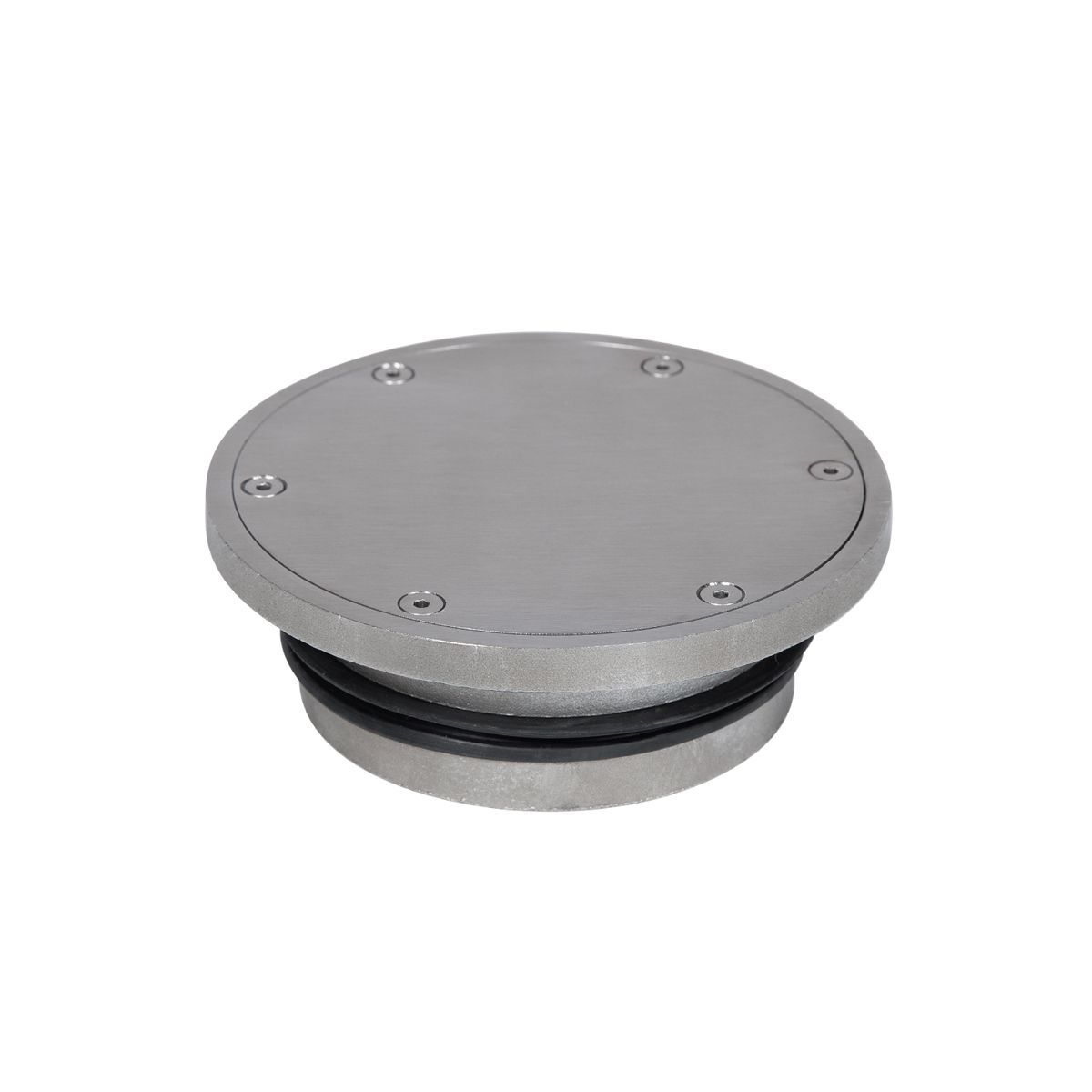
The 3Monkeez 130mm Round Clear Out (FW-130CO-304) is a stainless steel access point for the drainage line. When a drain needs inspecting, rodding or jetting, the top comes off and the plumber has direct access to the pipe without breaking up the floor.
The top is 3mm thick 304 grade stainless steel, so it sits flush and stands up to foot traffic, trolleys and regular cleaning. It is designed for tiled floors and connects with a push fit o-ring seal to 100mm DWV or HDPE pipe, which keeps odours and water where they belong.
Clear outs are often required by plumbing code at changes of direction and at the end of long drain runs. A stainless unit looks tidy on a commercial floor and will last as long as the tiles around it.
Features
- 130mm round clear out
- 304 grade stainless steel
- 3mm thick removable top
- Suits tiled floor applications
- Push fit o-ring seal
- Suits 100mm DWV and HDPE pipe
- Also made in 316 grade stainless steel to order (FW-130CO-316)
Code: FW-130CO-304
Material: 304 grade stainless steel
Size: 130mm round
Pipe size: 100mm DWV or HDPE
Application: Commercial kitchens, bathrooms, wash down and plant areas
See the full 3Monkeez range or browse more floor wastes.
304 or 316 grade?
For most indoor floors, including commercial kitchens and bathrooms, 304 grade stainless steel is the standard choice. It resists corrosion from water, food acids and everyday cleaning products. 316 grade adds molybdenum for extra resistance to chlorides, which makes it the better pick near pools, in coastal outdoor areas or where strong chemicals are used every day.
If you are not sure which grade your project needs, call the team at our Malaga showroom and we can talk it through with you and your plumber.
Where clear outs go
Your plumber will position clear outs where the drainage design calls for them, typically near the start of a branch line, at bends and where a fixture drains into the main run. Setting them in a tiled floor means the access point stays visible and easy to reach for the life of the building, rather than hidden under fixtures or behind joinery.
Additional information
| Material | 304 Grade Stainless Steel |
|---|---|
| Pipe Size | 100mm DWV / HDPE |
| Shape | Round |
| Size | 130mm |
| Brand | 3Monkeez |
|---|---|
| Product | 130mm Round Clear Out |
| Item Code | FW-130CO-304 |
| Material | 304 grade stainless steel |
| Top | 3mm thick removable top |
| Seal | Push fit o-ring seal |
| Floor Type | Suits tiled floors |
| Pipe Size | Suits 100mm DWV and HDPE pipe |
| WaterMark | WMTS-040, Licence 23097 |
| Also Available | FW-130CO-316 (316 grade stainless steel) |
 FW-130CO-304 Data Sheet (PDF)
You may also like
-

Metlam Lockable Jumbo Toilet Roll Dispenser Satin Stainless Steel ML841
From $108.61 Select options This product has multiple variants. The options may be chosen on the product page -
Metlam Toilet Roll Holder with Shelf 304 Satin Stainless Steel
From $92.64 Select options This product has multiple variants. The options may be chosen on the product page -
Metlam Lockable Triple Toilet Roll Dispenser Satin Stainless Steel ML833
From $109.38 Select options This product has multiple variants. The options may be chosen on the product page -
Metlam 700 Series Double Toilet Roll Holder Satin Stainless Steel 700-2TRH
From $105.12 Select options This product has multiple variants. The options may be chosen on the product page